
WBGeo — A Workbench for Geoscientific Workflows
WBGeo is an open-source workbench for geoscientific workflows — covering structural modeling, mesh generation, process simulation, and visualization in one integrated environment. Its core concept is a component-and-connector system in which workflows are assembled from typed, interchangeable components, each encapsulating a method or processing step behind a standardized interface. The workbench can be accessed directly through Python backend code or through the visual interface (visual DSL). Standardized interfaces make methods across each step exchangeable, enabling systematic comparison without rewriting pipelines.
Getting Started
The fastest way to explore WBGeo is through the hosted demo — no installation required. Try the visual interface (visual DSL) directly in your browser:
To run WBGeo locally, follow the installation guide:
For contributors and developers, see the developer's guide along with documentation on components, types, and local execution.
Workflow
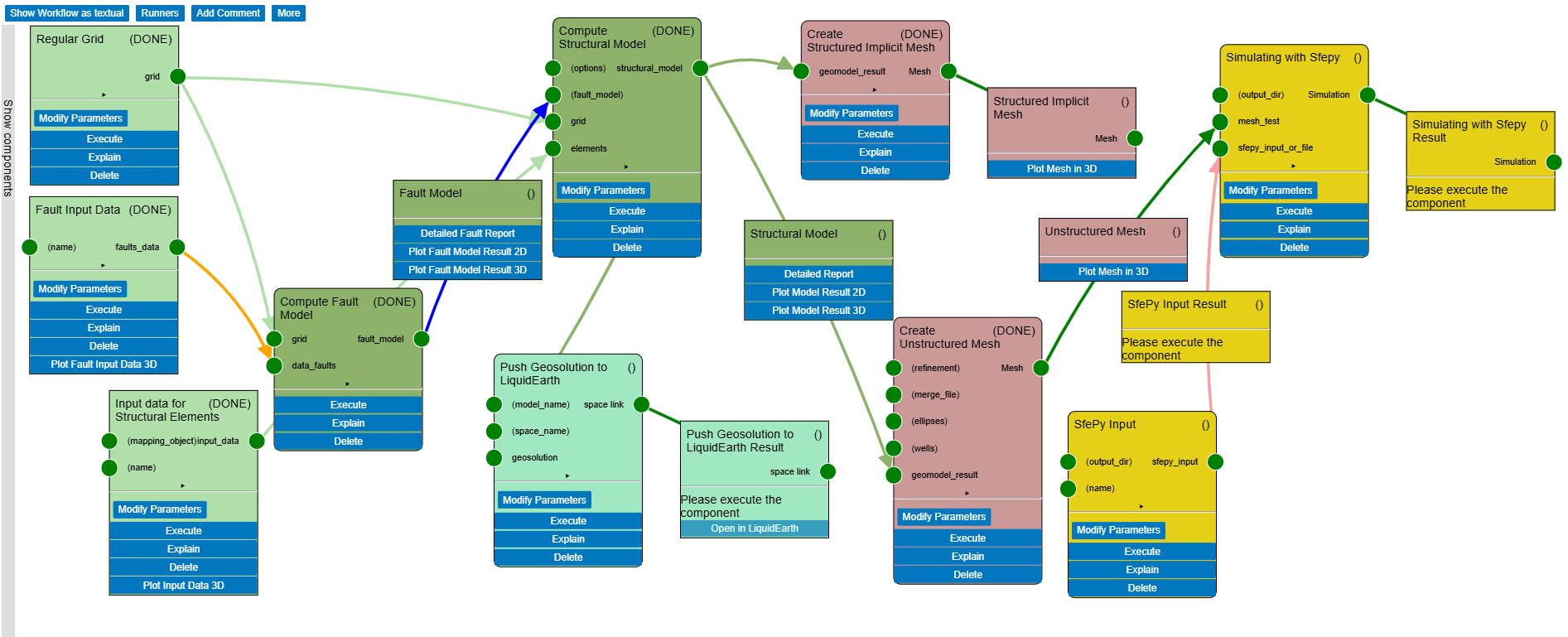
WBGeo is organized around four modeling steps, which can be assembled into a pipeline either through the visual interface (visual DSL), shown below, or directly in Python. Follow the links below for detailed documentation on each step:
-
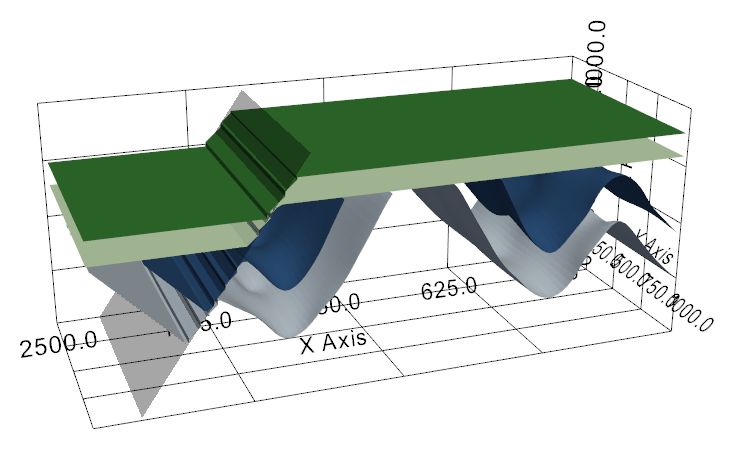
Structural Geological Modeling
Reconstruct 3D geological structure from available input data using a set of implicit methods.
-
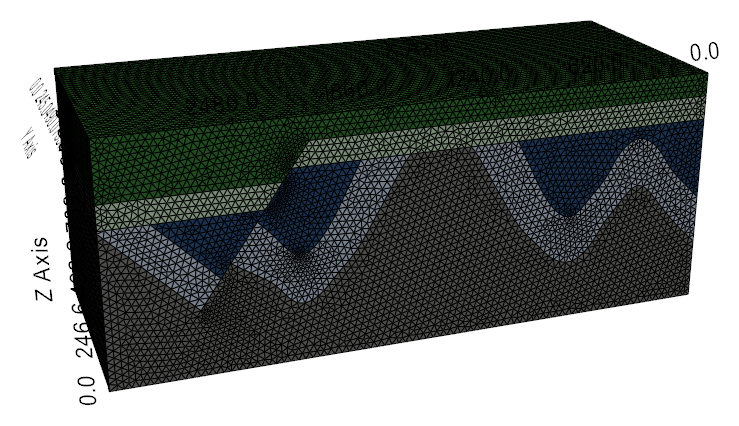
Meshing
Generate 3D watertight meshes ready for simulation automatically from the structural model.
-
Process Simulation
Interface with numerical solvers using the meshes from the previous step.
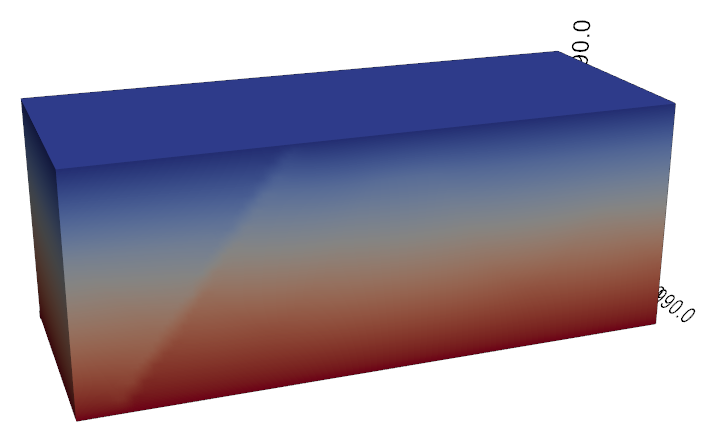
(WIP: Process Simulation on faulted models not yet released)
-
Visualization
Standard 2D and 3D visualization and link to immersive XR, VR, AR visualization using LiquidEarth.
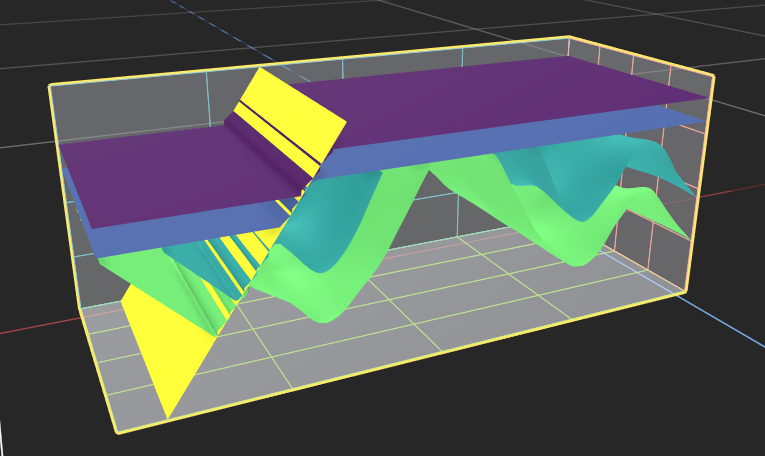
Publications
- von Harten, J., Baes, M., Lüpges, A., Wellmann, F., Cacace, M., Degen, D., Scheck-Wenderoth, M., Rumpe, B. & Niederau, J. (2025) — WBGeo - Workbench for Digital Geosystems. European Geothermal Congress (EGC 2025), Zurich, Switzerland, 6–10 October 2025. PDF
Funding
This project was funded by the Federal Ministry of Research, Technology and Space (BMFTR) under the Geoforschung für Nachhaltigkeit (GEO:N) initiative (Grant no. 03G0922A).
License
WBGeo is released under the European Union Public Licence v1.2 (EUPL-1.2).